


Why I Built Hejme, Part 1: The Photos You've Never Seen
First published at Monday, 29 December 2025
Why I Built Hejme, Part 1: The Photos You've Never Seen
I share photos of my daughter every day. You've never seen one.
That's not paranoia. It's a deliberate choice about consent. Hers, not mine.
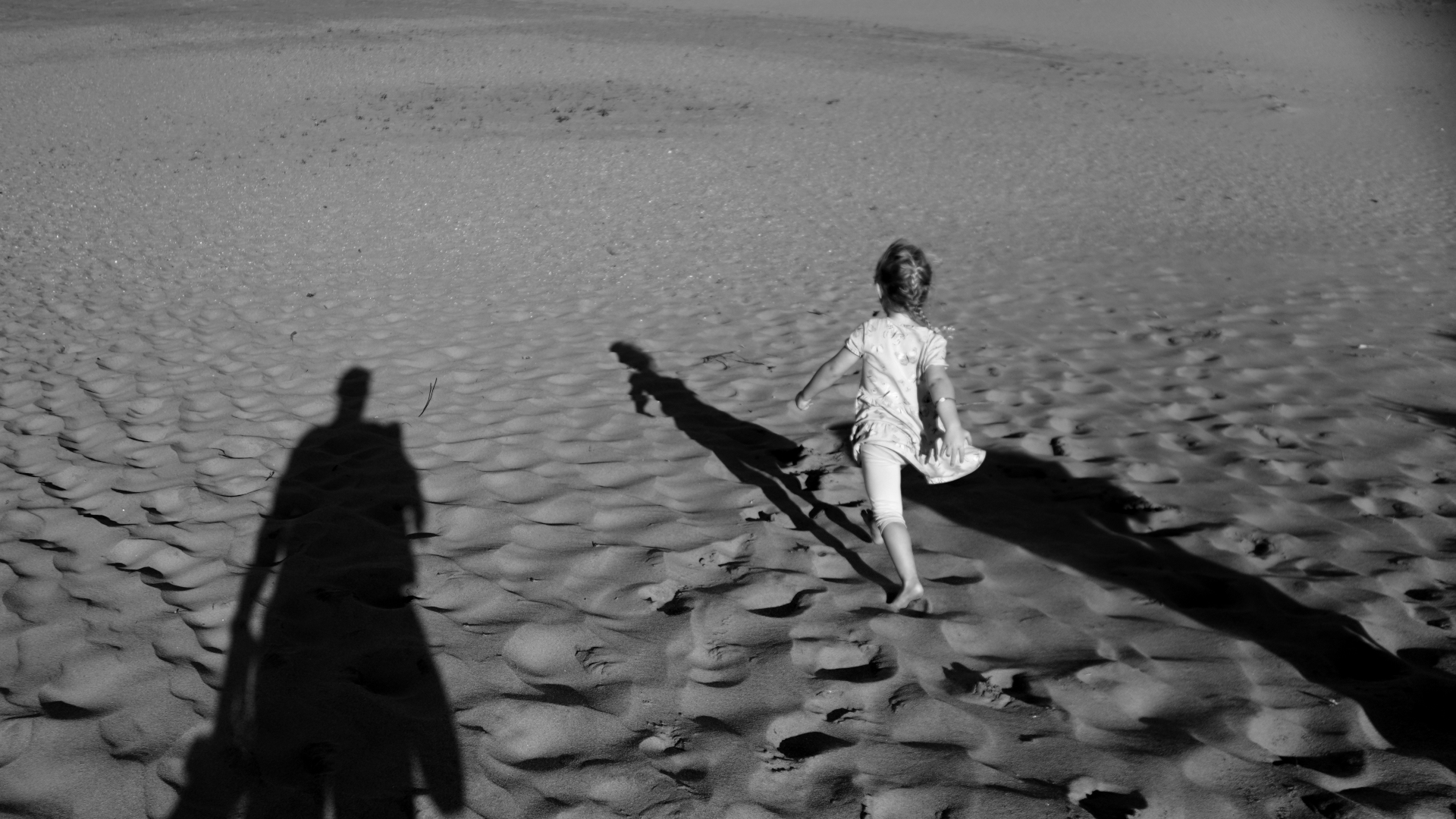 Kid running away from the camera on an empty beach. Shadows of her parents stretching in the sun
Every milestone, every silly moment, every "look what she did today" gets captured. I'm a photographer. I love this stuff. And I share constantly: with my wife, my parents, my brother's family four hours away, my wife's parents, the close friend we've made an honorary aunt.
Just not with you. And since she is on almost every photo I take nowadays my photos feed is basically empty.
There's a distinction that feels obvious to me but that our current tools completely ignore: the difference between sharing and publishing. When I post something publicly, this blog post, a conference talk, a photo of my face, that's my decision. I'm 44. I understand what "public" means. I can handle the consequences of existing on the internet.
My daughter is 4. She can't consent to having her face indexed by every search engine, scraped into AI training sets, stored on servers she'll never control. She doesn't understand what it means for an image to be permanent, searchable, ownable by strangers.
So we made a rule: she decides later. When she's old enough to understand what it means to exist online, she can choose which photos of her childhood become public. Until then, I share everything – just not with everyone.
This should be simple. Private sharing with family, public sharing with the world. Two different actions with completely different implications.
But somehow, in 2025, it's become nearly impossible to do both well with the same tools.
I learned how broken this was when I missed my brother's vacation.
He posted photos – beautiful shots, exactly the kind of moments I want to see from the people I love.
I didn't see them. Not for weeks.
Instead, my feed showed me crypto discourse. Engagement bait. Rage-inducing political content. Ads for things I'd mentioned once in a private conversation. Posts from strangers, algorithmically selected to make me angry or anxious enough to keep scrolling.
When I finally found his photos, buried under the debris of optimized content, something broke for me.
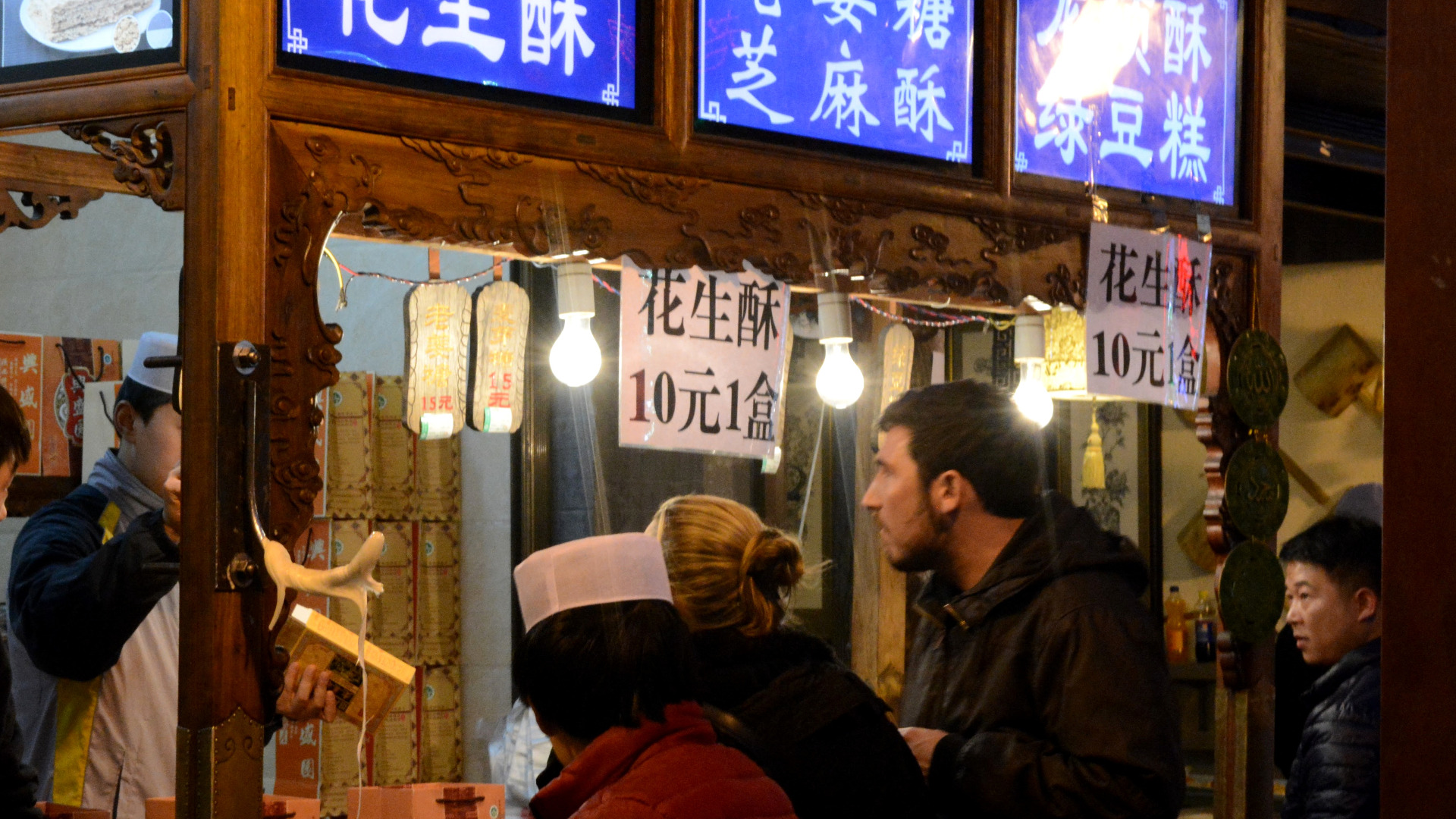 Arne in front of a Chinese food stand at a night market
This wasn't a bug. The product worked exactly as designed. And it made me finally leave Facebook.
Facebook doesn't show you what matters to you. It shows you what keeps you on Facebook (oh, the irony). Your brother's peaceful vacation photos don't trigger engagement. They don't make you comment, argue, share. Outrage does. Controversy does. Conflict does. So the algorithm buries the family content and surfaces the inflammatory content.
Then Instagram decided that photos weren't enough. Now it's reels. Video. Motion. Sound. More surface area for ads. More dopamine triggers. More time extracted from your day.
I just wanted to see my family's photos (and yours, actually).
I'm not a casual user complaining about a free service. I've been in tech for over 20 years and I've built systems like this. I know why the product managers made these choices – the metrics said to.
And I'm done pretending these platforms serve families. They work perfectly fine, for the business model they were built on. That business model just has nothing to do with helping you stay connected to the people you love. My brother's photos were collateral damage in the war for my attention.
I started asking myself: what would it look like to build something that actually worked for families? Where the incentives were aligned with showing you what matters instead of what sells? Where the product's success was measured by whether you saw your family's photos – not by how many minutes of your life it extracted?
That question wouldn't leave me alone.
Subscribe to updates
There are multiple ways to stay updated with new posts on my blog:
